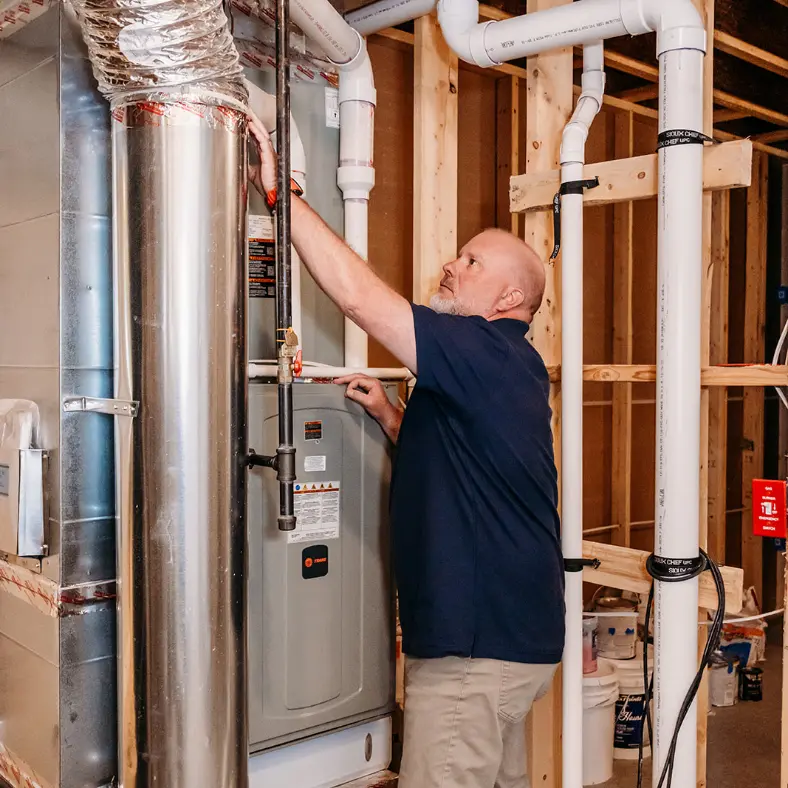
Northern Virginia in the fall can be unpredictable. One afternoon you’re enjoying 75-degree sunshine, and by the next morning you’re wondering why you didn’t put an extra blanket on the bed. These wild swings in temperature mean your furnace can go from “off” to “working overtime” in a matter of hours. The last thing you want is to discover on the first truly chilly morning that your furnace won’t start—or worse, that it’s running but not keeping up.
The good news? A little preparation now can keep your system running smoothly, safely, and efficiently all season long. Here’s a deeper look at what every homeowner should know before turning on the heat this fall.
Getting Your Furnace Ready
Your furnace has likely been sitting idle since late spring. Dust settles, filters clog, and sometimes storage boxes and lawn chairs migrate into the utility room over the summer months. Before asking your system to carry you through another Northern Virginia winter, give it some attention.
Start with a walk-around. Make sure the area around your furnace is clear of clutter. A furnace needs space for airflow and safety, and items stacked too close can trap heat or even pose a fire hazard. Many homeowners don’t realize that keeping at least three feet of clearance is recommended.
Next, swap out your filter. Even if you changed it during cooling season, it’s smart to start fresh. A dirty filter forces your system to work harder, which not only drives up your energy bills but also shortens the life of the unit. A clean filter improves indoor air quality, too—something especially important as windows stay closed and allergens circulate.
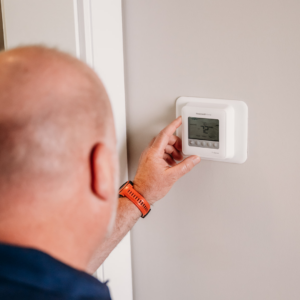
While you’re in the mindset of “prep,” take a few minutes to test your thermostat. Switch it to “heat” and raise the temperature a few degrees to see if the furnace responds. You don’t need to let it run for hours, but this quick check ensures the system is operational before the cold weather is here to stay.
Safety First
Because your furnace produces heat through combustion, safety checks are just as important as comfort. Before turning on the system for the season, test your smoke and carbon monoxide detectors. Batteries should be replaced at least once a year, and fall is the perfect time.
Why is this so critical? A cracked heat exchanger or gas leak can allow carbon monoxide to seep into your home without any obvious signs. Carbon monoxide is colorless and odorless, which makes working detectors your best line of defense.
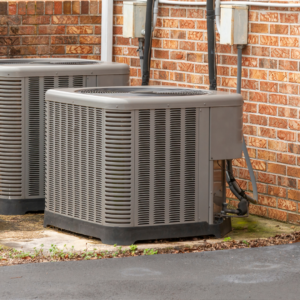
It’s also wise to check your venting. If you have a high-efficiency system, ensure the intake and exhaust pipes outside your home are free from leaves, debris, or even bird nests that may have built up over the summer. Blocked vents can impact both performance and safety.
Know the Warning Signs
When you do finally flip on the furnace, don’t ignore what you hear or smell. That slight burnt-dust odor? Totally normal—it’s just the system burning off residue from months of sitting idle. But if the smell lingers or becomes acrid, it’s worth investigating. Our fall checklist covers which heat smells when first turned on are normal and which aren’t.
Sounds tell their own story, too. A low hum is expected, but banging, rattling, or grinding noises mean trouble. Sometimes it’s as simple as a loose panel, but often it’s a motor or blower issue that can quickly escalate.
Uneven heating throughout your home, short cycling (the furnace turning on and off rapidly), or unusually high energy bills are other clues that something isn’t quite right. If you notice any of these, scheduling furnace service in Northern Virginia before the problem grows can save both money and comfort later on.
Efficiency Matters
Beyond comfort, your furnace is one of the largest energy users in your home. A system that’s struggling to breathe through a clogged filter, fighting against dirty ductwork, or running with worn parts will burn more fuel than necessary. That translates to higher utility bills every month.
Routine maintenance, like lubricating moving parts, checking thermostat calibration, and cleaning internal components, can restore efficiency. Over the course of a long winter, those savings add up. More importantly, efficiency extends the lifespan of your equipment. Replacing a furnace can cost thousands; keeping it running well is a far less expensive investment. That’s the importance of HVAC maintenance in a nutshell.
Why a Professional Tune-Up Pays Off
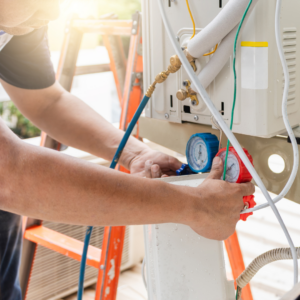
Some homeowners wait until the system fails to call for service. But a preseason tune-up does more than prevent inconvenient breakdowns—it keeps your home safe and your system efficient. A technician can catch small issues before they become expensive repairs: refrigerant levels that are low, belts that are wearing thin, sensors that are dirty.
They’ll also inspect the heat exchanger, clean burners, confirm airflow, and test safety controls. That’s how common furnace problems get caught before the cold sets in. These aren’t tasks a homeowner can safely tackle on their own, but they make a big difference in performance and reliability.
Stay Ahead of the Cold
Northern Virginia winters aren’t just cold; they’re long. By late January, your furnace will have logged hundreds of hours keeping your home comfortable. Giving it a strong start in September or October means you’re less likely to deal with mid-season surprises.
And if your furnace is already showing its age? Scheduling a professional inspection now gives you time to plan for replacement if necessary—before you’re stuck making a rushed decision in the middle of a breakdown.
Call Dave’s Heating & AC for Furnace Service in Northern Virginia
Cold mornings are coming, and your furnace deserves attention before it’s working around the clock. Whether you need routine maintenance, a preseason tune-up, or a repair, Dave’s Heating & AC is here to help. Our team will make sure your system is safe, efficient, and ready for the months ahead. Give us a call at 571-346-3940 today, and step into winter knowing that you’ll be safe and comfortable with Dave’s.